





The red waves of Zhanye’s Danxia Mountains in Gansu Province

Zhangye Danxia Landform is concentrated predominantly in Linze and Sunan counties in Gansu Province.
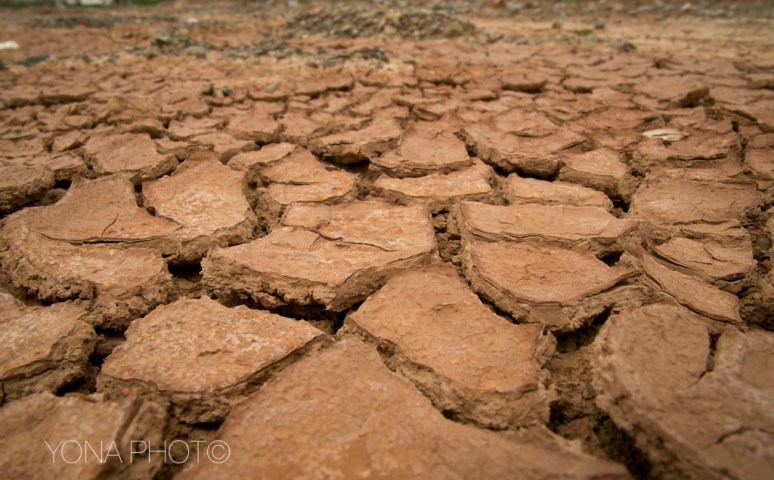
- It is both the largest and the most typical of China’s arid area danxia landforms. Because of aridity, the Zhangye Danxia Landform differs from that of south China. It is very dry and desolate, without any vegetation, so geologists call this “window lattice and palace-shaped Danxia topography”.
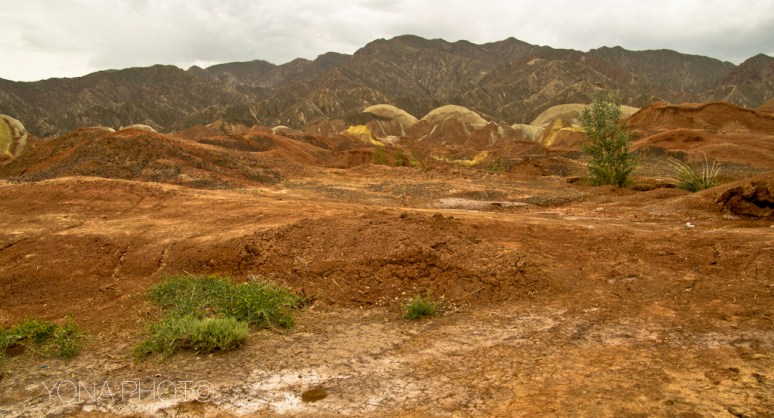
In addition, the Danxia landform has gorgeous colors due to the organic sediments. You can see various colors, like red, yellow, orange, green, white, black, gray, etc, making the place so colorful and splendid.
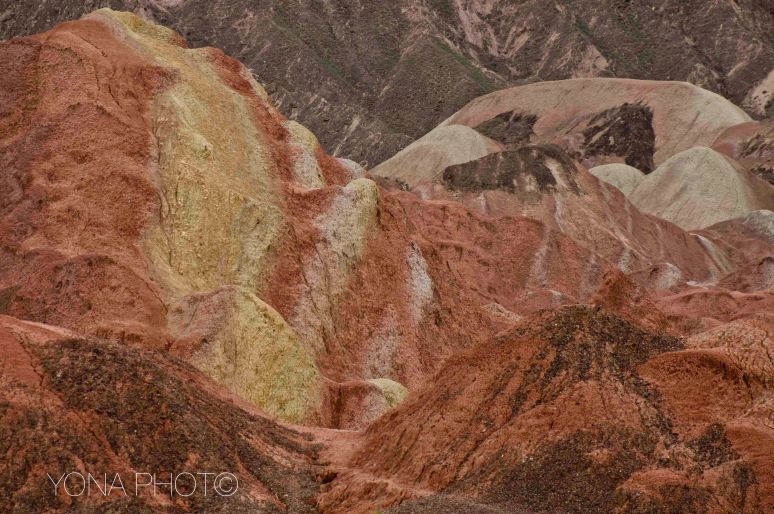 Zhangye Danxia Landform is surrounded by colorful hills, which seem to rise and fall like waves: with rock strata of different colors mixed in graceful disarray, it is an imposing and magnificent sight. The Zhangye’s palace danxia formations and its colorful hills cover about 300 square kilometers. (more…)
Photo Documentary: The ancient octagonal village of Licha in Zhaoqing
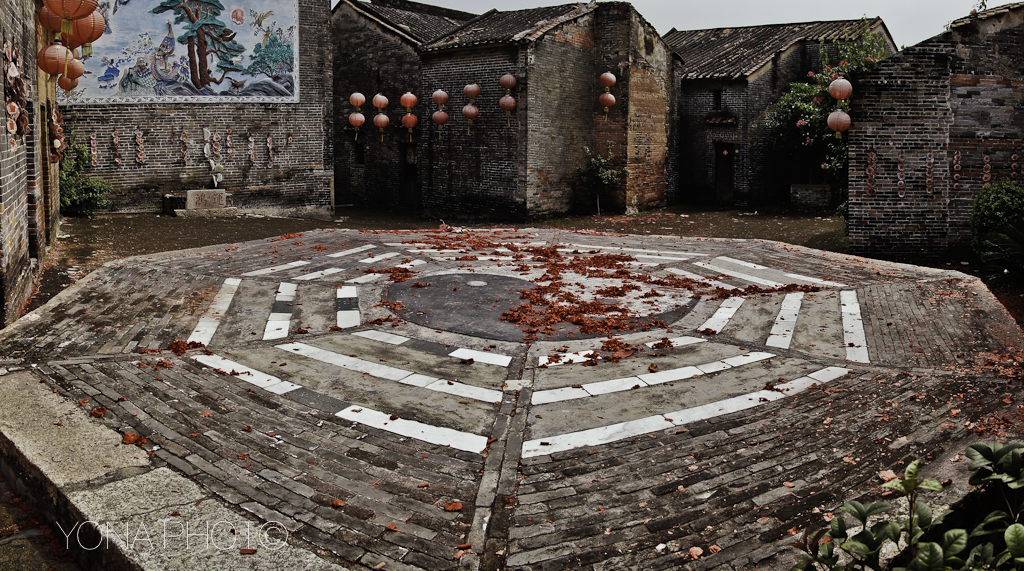
Around 700 years ago, during the Ming dynasty, the BaGua (Ba=eight, Gua=symbol) village of LiCha was constructed in accordance with the Taoist cosmology to represent the fundamental principles of reality, seen as a range of eight interrelated concepts.

Although most houses have been deserted (I was told many of the citizens have moved to Australia), some houses are still in use and the local people seem to live quite a traditional life.

The Bagua is an essential tool in the majority of Feng Shui schools. The Bagua used in Feng shui can appear in two different versions: the Earlier Heaven Bagua, used for burial sites and the Later Heaven Bagua, used for the residences.

Applying feng shui using the Bagua of the eight aspirations made it possible to simplify feng shui and to bring it within the reach of everyone. The Masters of traditional feng shui call it Neo Feng Shui, for its simplicity, because it does not take into account the forms of the landscape or the temporal influence or the annual cycles.

The grey bricks are used throughout the village, including the temple devoted to confucius.
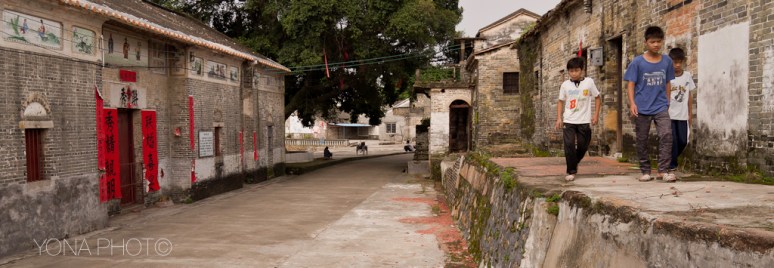
Until about 20 years ago, the village of LiCha was still a busy and lively place. However, these days only few people remain, along with a couple of nesting swallows (which are said to be a sign of success in the future).


 Yona Photo