Photo Documentary – The Hills of Gongnaisi, home of the Mongols
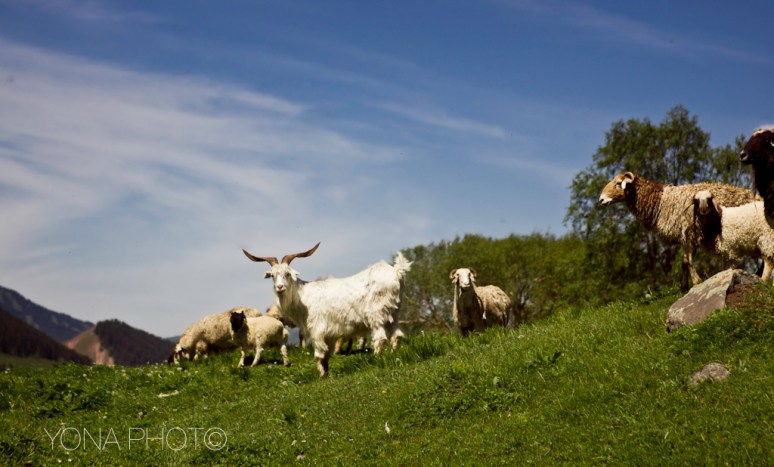
Gongnaisi in the Mongolian language means “Sunny Mountain Slope”. Gongnaisi grassland grows along both sides of the Gongnaisi River in western Tianshan Xinyuan County.

On July 5, 1986, the government approved the establishment of Central Tianshan Mountains Gongnaisi Meadow Grassland Nature Reserve.
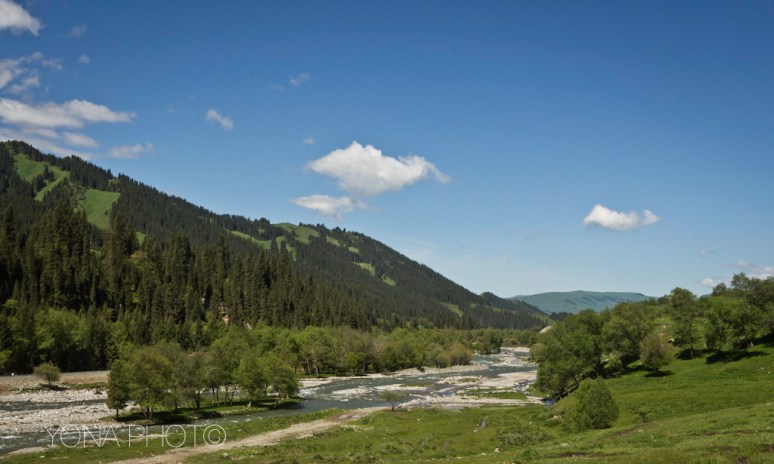
Gongnaisi Grassland is one of the four biggest river valley prairies in the world. It was the important highway of Silk Road since ancient times.
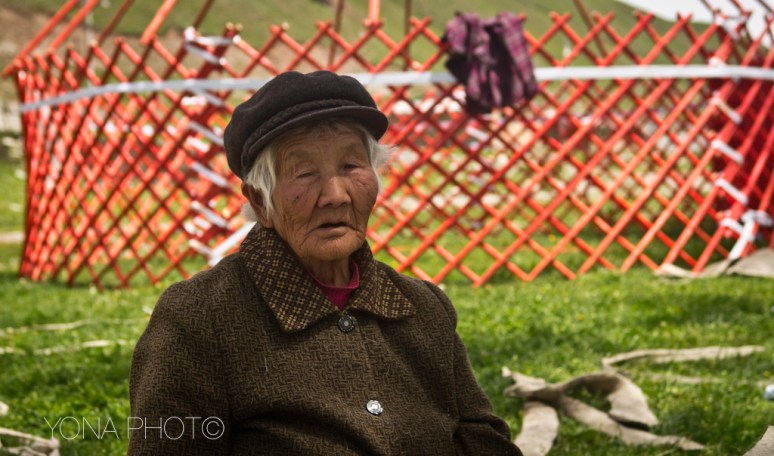
In the period during Spring season, Mongols come out of their houses and set up their gers in the grasslands to take out their cattle. Traditionally, its the women’s responsibility to prepare the felts or skins to cover the wooden construction.

Rэр (transliterated: Ger) – in Mongolian simply means “home”, Yurt – originally from a Turkic word referring to the imprint left in the ground by a moved yurt. Yurts have been in use at least since the 13th century, and there are indications that the design is much older.
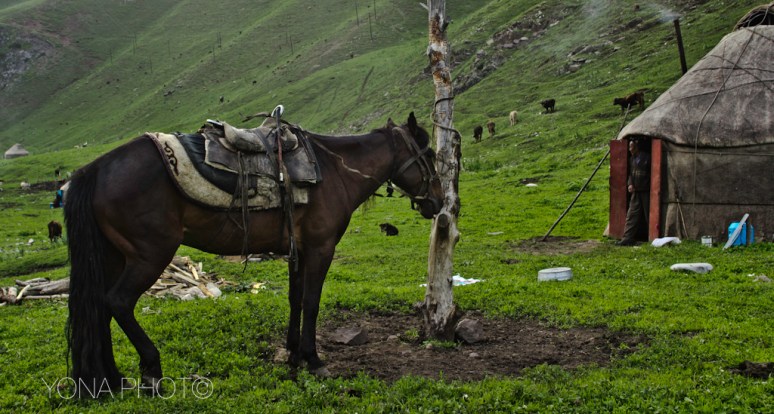
Traditional yurts consist of an expanding wooden circular frame carrying a felt cover. The felt is made from the wool of the flocks of sheep that accompany the pastoralists.
Mongol Autonomous Prefecture and the story behind the Yurt
(more…)
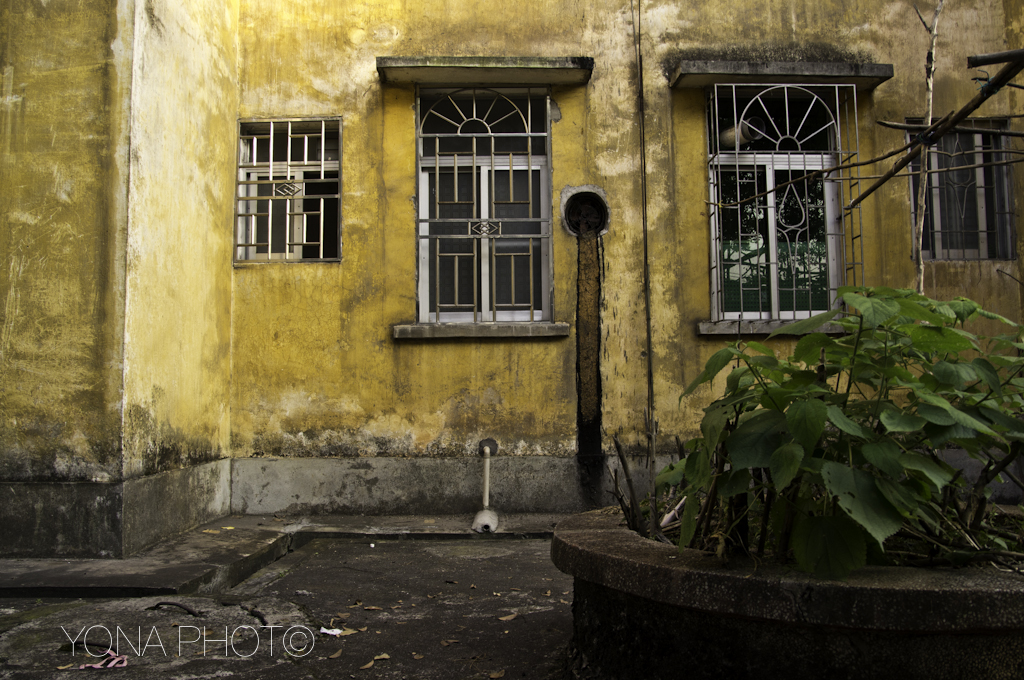
Rainy Days
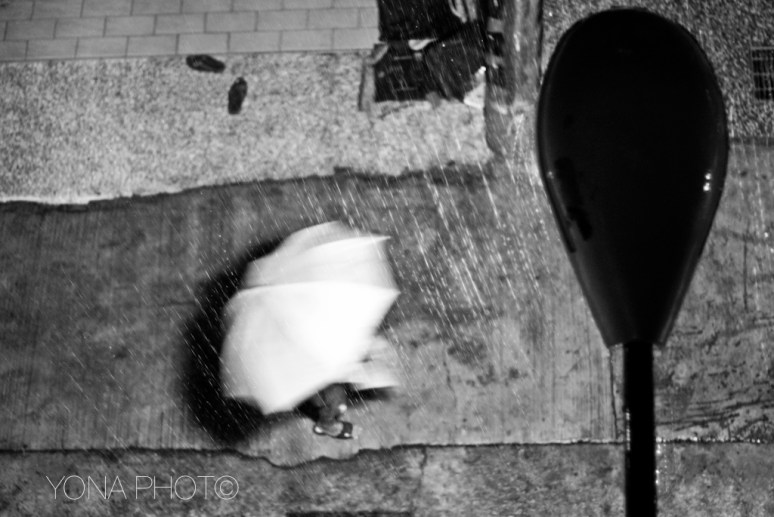
Evening red and morning gray will set the traveler on his way, but evening gray and morning red, will bring down rain, upon his head.
The Devil is in the Details
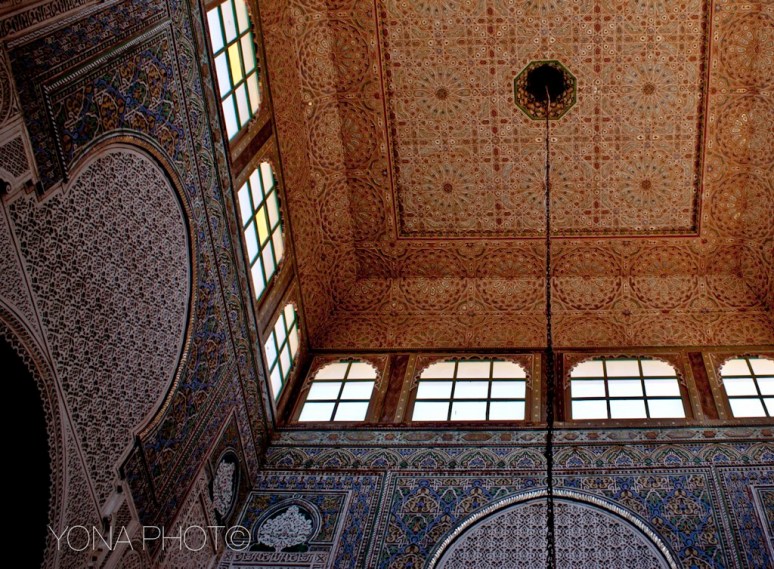
Ceiling of the mausoleum of Moulay Ismail, a dominant Sultan who still enjoys high respect until today, in Meknes, Morocco
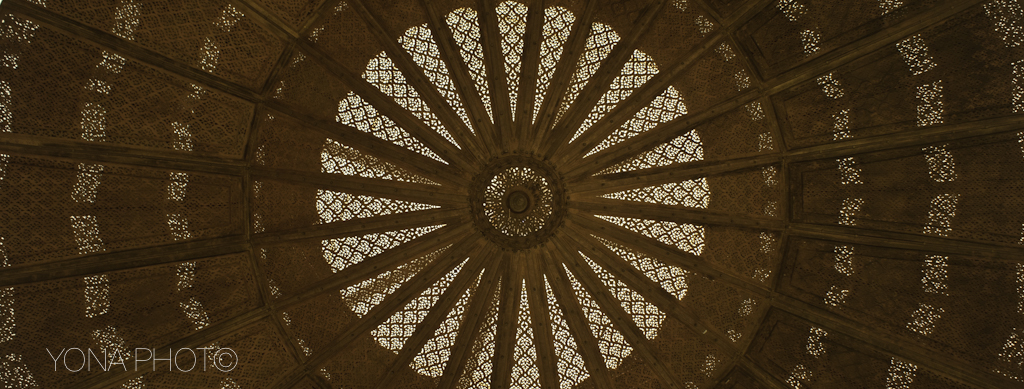
Looking upwards through the large lamp (diameter of 4 meter), hanging in one of the many chambers of the Sultan’s Palace in capital of Morocco

The Ornamental wooden carved ceiling, with stucco work on the wall in the islamic Palace de la Bahia, in the medina of Marrakech, Morocco.
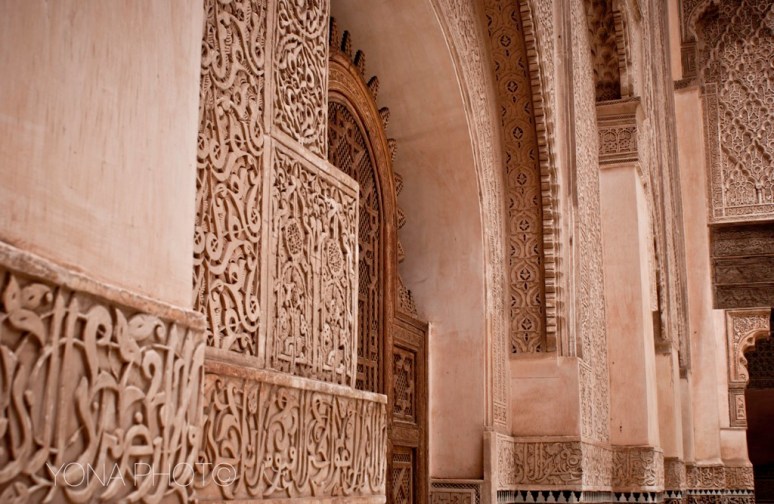 Detailed patterns, mosaics and texts around the entrance of the Royal Palace in Marrakech, Morocco (more…)


 Yona Photo