
Working on the Goji Berry Fields of Golmud

Lycium barbarum (Chinese: 寧夏枸杞; pinyin: Níngxià gǒuqǐ) species of boxthorn in the family Solanaceae (which also includes the potato, tomato, eggplant, deadly nightshade, chili pepper, and tobacco). It is native to southeastern Europe and Asia.

The majority of commercially produced wolfberries come from the Ningxia Hui Autonomous Region of north-central China and the Xinjiang Uyghur Autonomous Region of western China, where they are grown on plantations.

Cultivated along the fertile aggradational floodplains of the Yellow River for more than 600 years, Ningxia wolfberries have earned a reputation throughout Asia for premium quality sometimes described commercially as “red diamonds”.

Wolfberries are celebrated each August in Ningxia with an annual festival coinciding with the berry harvest. In Tibetan the plant is called dretsherma, with dre meaning “ghost” and tsherma meaning “thorn”.
Wolfberry, commercially called goji berry, is the common name for…. (more…)
Couples #3

Cantonese man in YueXiu District, Guangzhou

Cantonese man in XiaoGang District, Guangzhou
Islamic Aesthetics in Palace -Gates, -Doors and -Arches
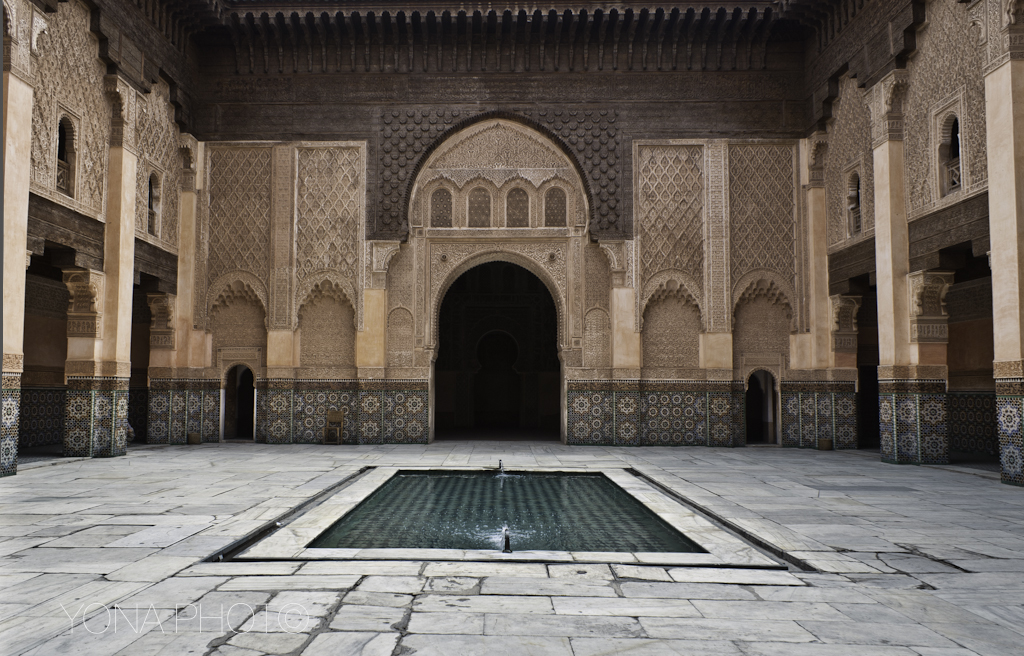
According to Islam, human works of art are inherently flawed compared to the work of God; thus, it is believed by many that attempting to realistically depict the form of an animal or person is insolence to God.
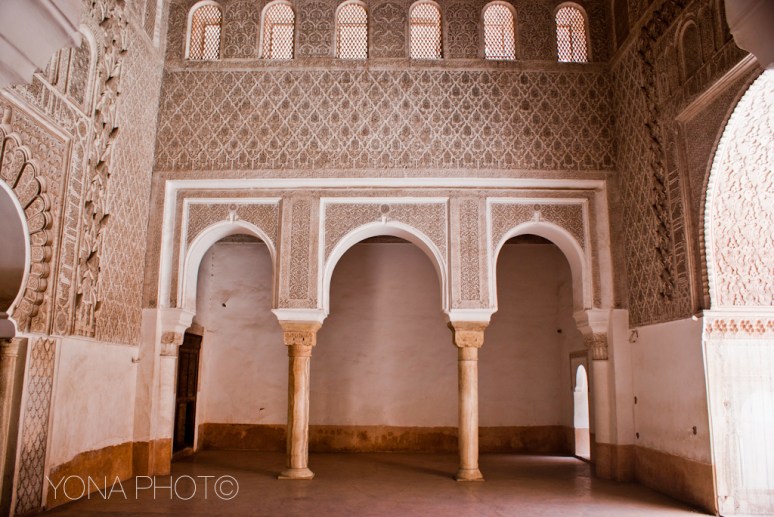
This tendency affected the narrowing field of artistic possibility to such forms of art as Arabesque, mosaic, Islamic calligraphy, and Islamic architecture, as well as any form of abstraction that can claim the status of non-representational art.
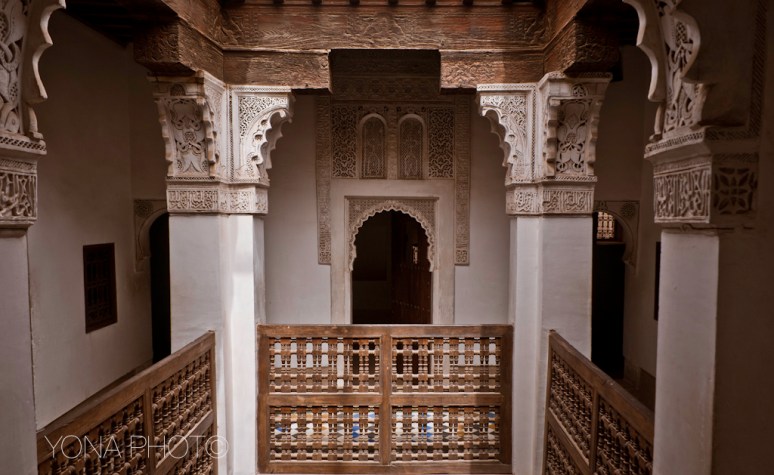
Limited possibilities have been explored by artists as an outlet to artistic expression, and has been cultivated to become a positive style and tradition, emphasizing the decorative function of art, or its religious functions via non-representational forms such as Geometric patterns, floral patterns, and arabesques.
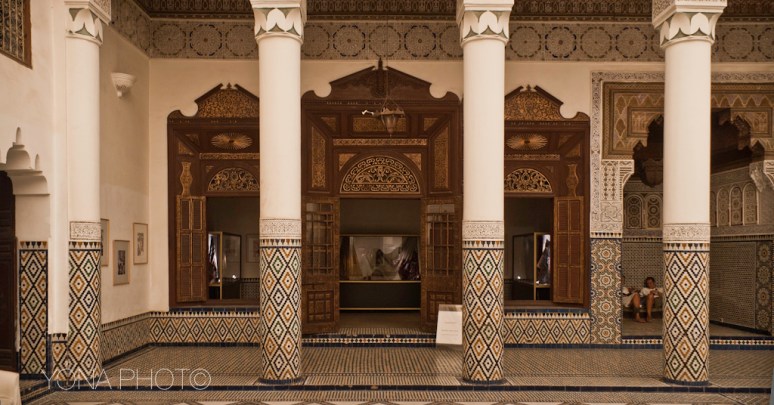
Human or animal depiction is generally forbidden. Muslims believe these depictions lead to sculptural pieces, which then leads to worship of that sculpture or “idol”. Human portrayals can be found in early Islamic cultures with varying degrees of acceptance by religious authorities. Human representation for the purpose of worship is uniformly considered idolatry as forbidden in Sharia law.



 Yona Photo